Il mio ricordo sbloccato di oggi è Buggy Boy sul c64:
Tornato dalle medie passavo interi pomeriggi a correre 
Il mio ricordo sbloccato di oggi è Buggy Boy sul c64:
Tornato dalle medie passavo interi pomeriggi a correre
capolavoro
Facciamo l’ammole lungo lungo
Qualcuno ricorda Live and Let Die per C64 morivo sempre a 30 secondi dal finirlo 
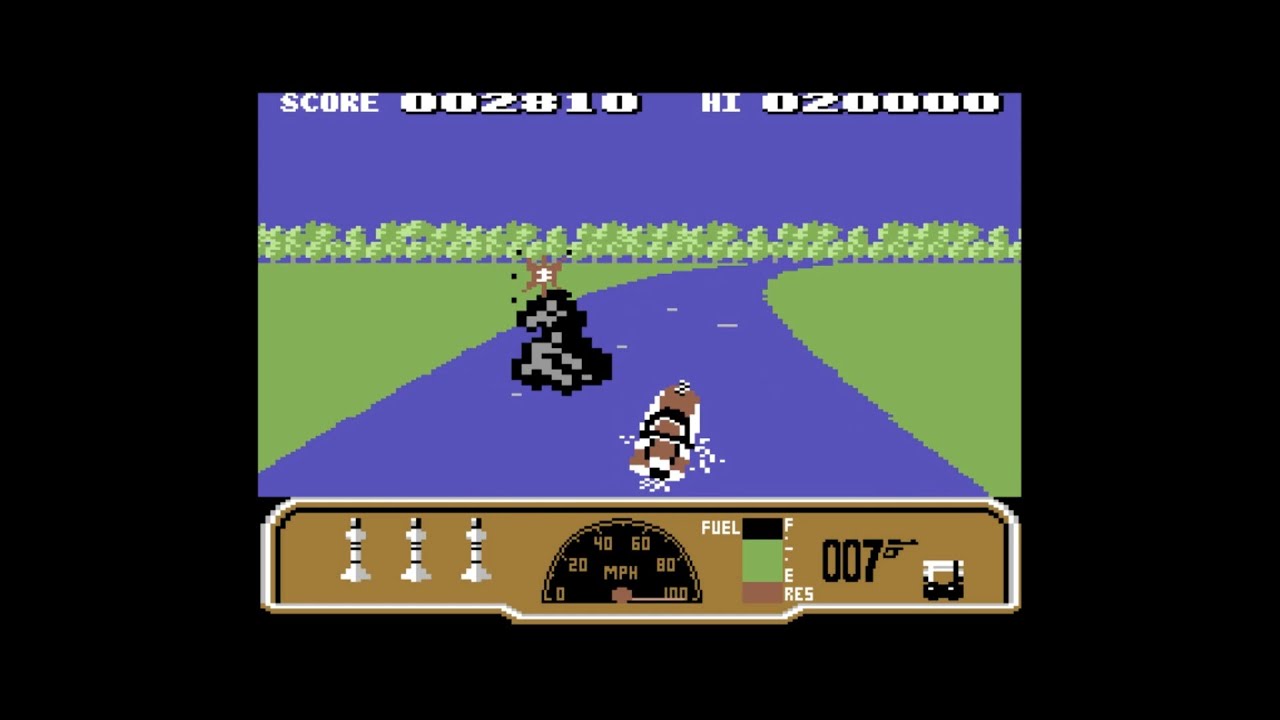

Il mio gioco di oggi è un arcade  Gyruss di quel genio di Yoshiki Okamoto
Fun fact: la Konami gli aveva detto di fare (dopo Time Pilot) un gioco di guida. Lui non ci sta e fa Gyruss che è un ottimo successo di vendite. Si sa come va in giappone: anche se aveva ragione lui, la leadership è intransigente nei confronti dell’ammutinamento e lo licenzia.
Poco male, pensa Okamoto, vado a Capcom dove posso fare come voglio. E fa giocazzi del tipo 1942 e Final Fight.

Io Gyruss non l’ho giocato in arcade cmq se non molti anni dopo. L’ho conosciuto su C64 in una conversione molto ben riuscita.
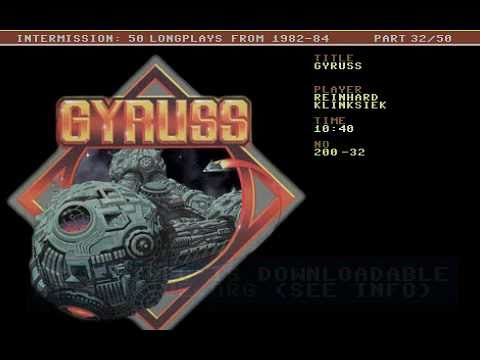
mi ricordi il miracolo tecnico che era Solaris per Atari 2600
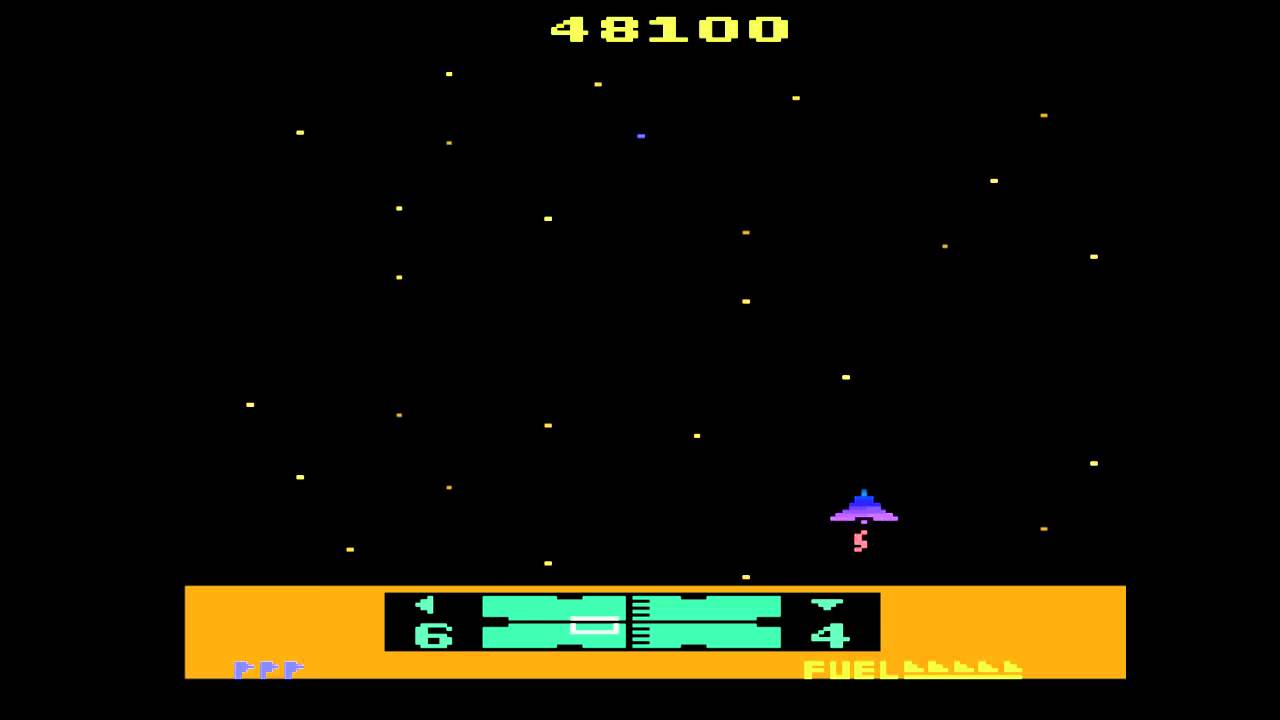
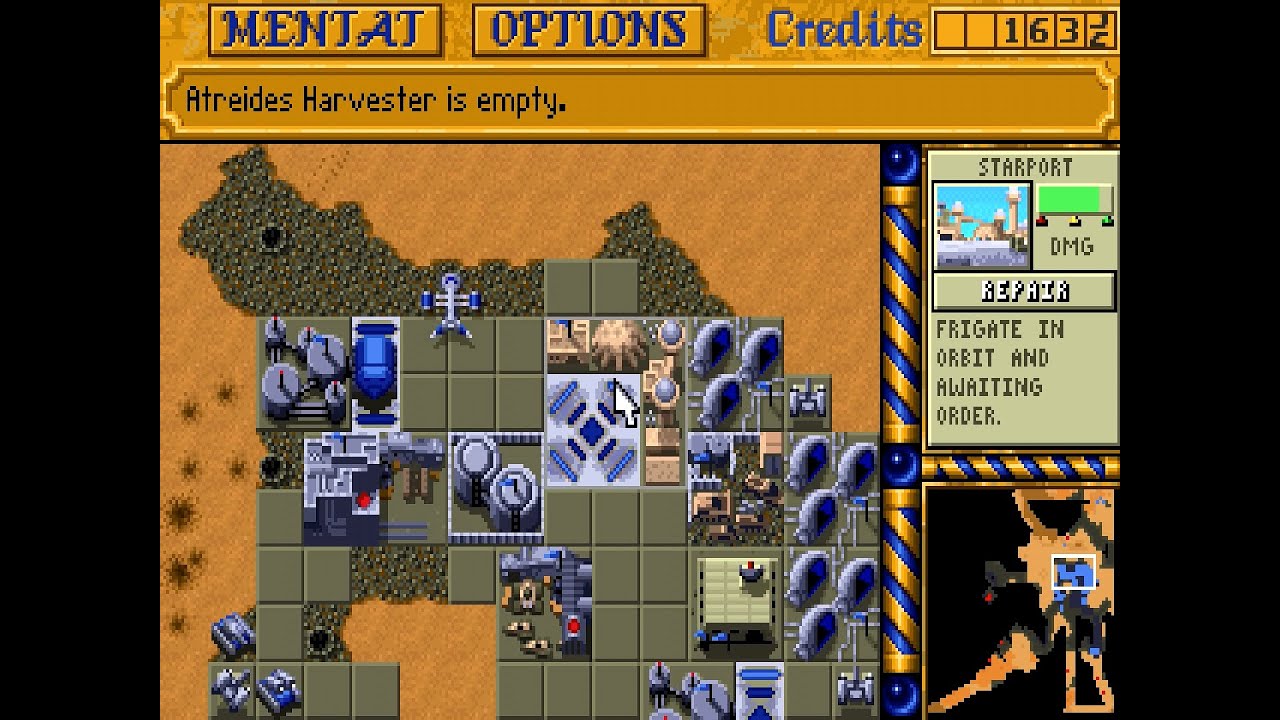
Dune
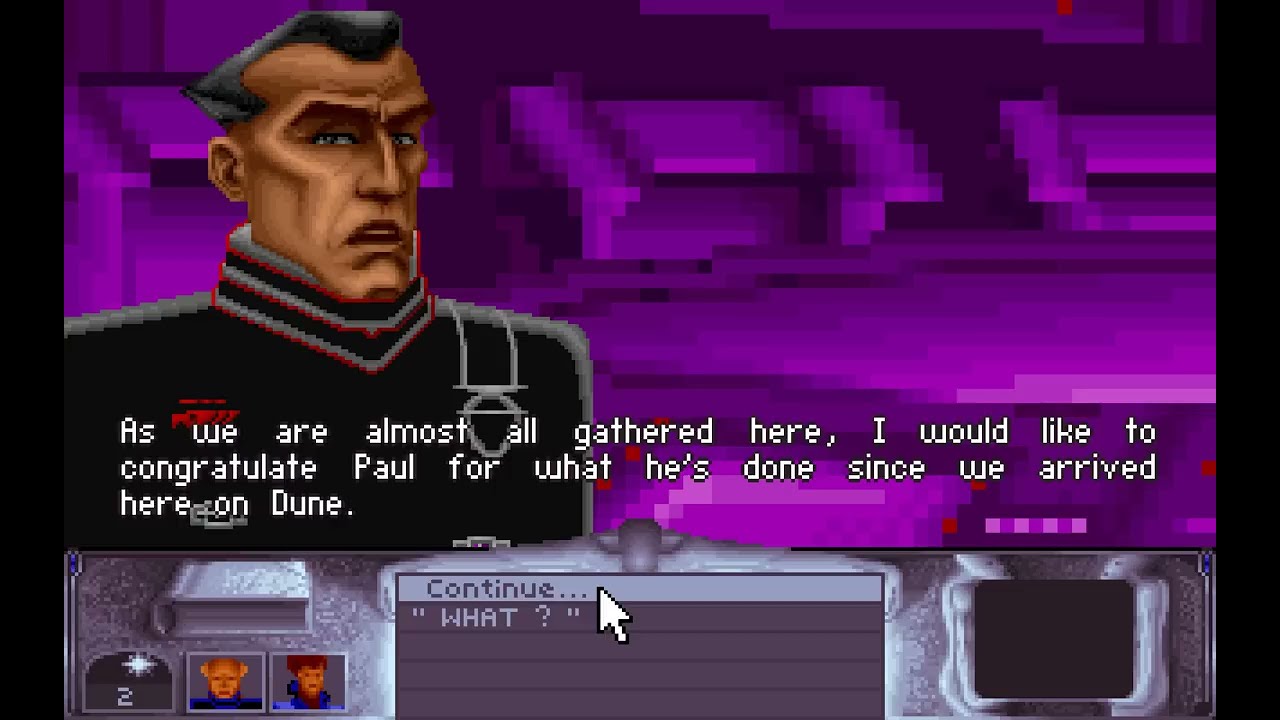
Dune 2
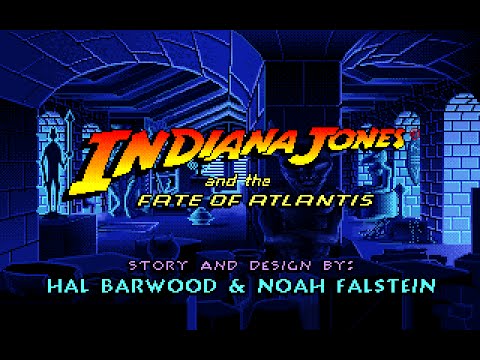
Indiana Jones and the fate of Atlantis
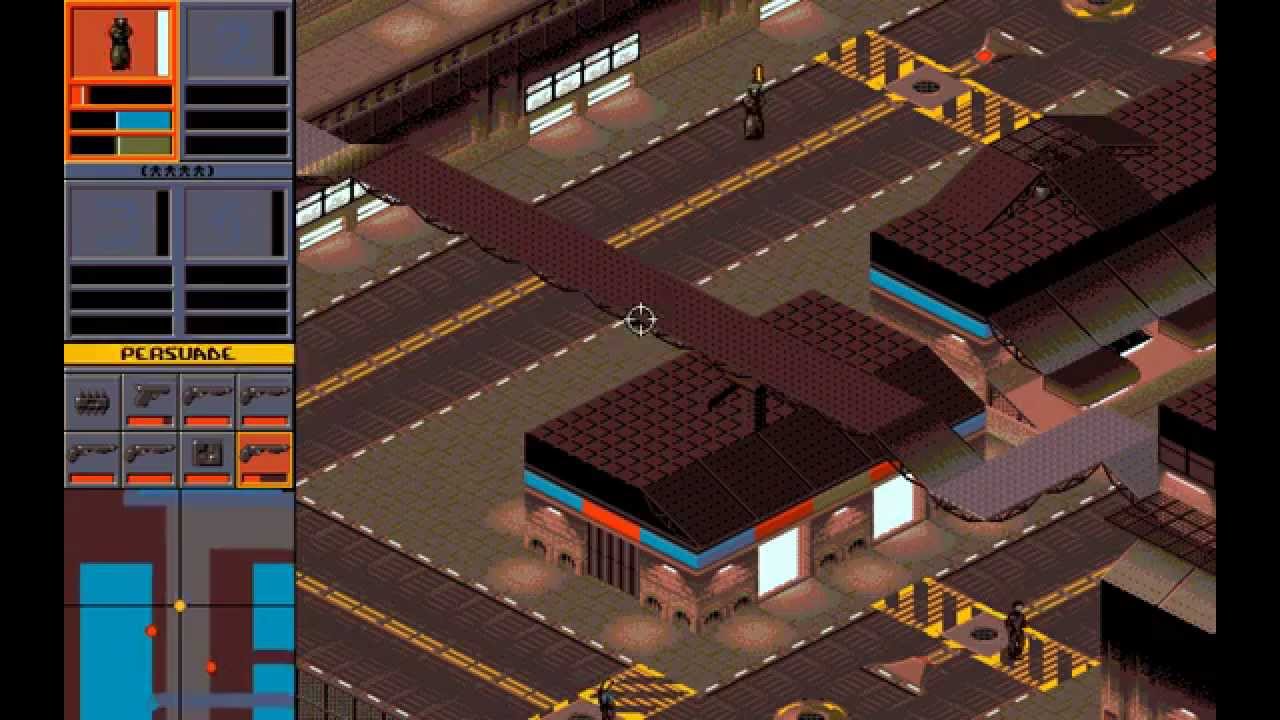
Syndicate
Questi sono stati i giochi che hanno contribuito a tenere bassa la mia vita sociale 
Notevole era notevole ma c’è un pero’
L’ha fatto barando 
Ecco le spec rilasciate dal programmatore stesso
Solaris ran in a 16k multi-bank rom cartridge and used 128 bytes of ram.
Ergo la cartuccia (rilasciata nel 1986! anni dopo che l’atari 2600 era diventato obsoleto come un 286 oggi, per capirci) aveva 8 volte la ROM delle cartucce di 5 anni prima e un banco di ram addizonale da 128 bytes (altra cosa che quasi nessun gioco dell’epoca d’oro del 2600 poteva vantare di possedere).
Insomma, ok che spinge i limiti dell’atari 2600 molto in avanti, ma con il cheat. Un po come chi oggi programma coversioni per C64 usando le REU.
Per la spiegazione tecnica ti rimando sopra al lungo rant che ho fatto sulla superiorità del design dell’Atari 2600. E comunque Solaris alla fine fa quello che era già stato fatto dalla Supercharger diversi anni prima.
Addendum: ecco cosa facevano i giochi progettati per la supercharger di Starpath già nel 1984.
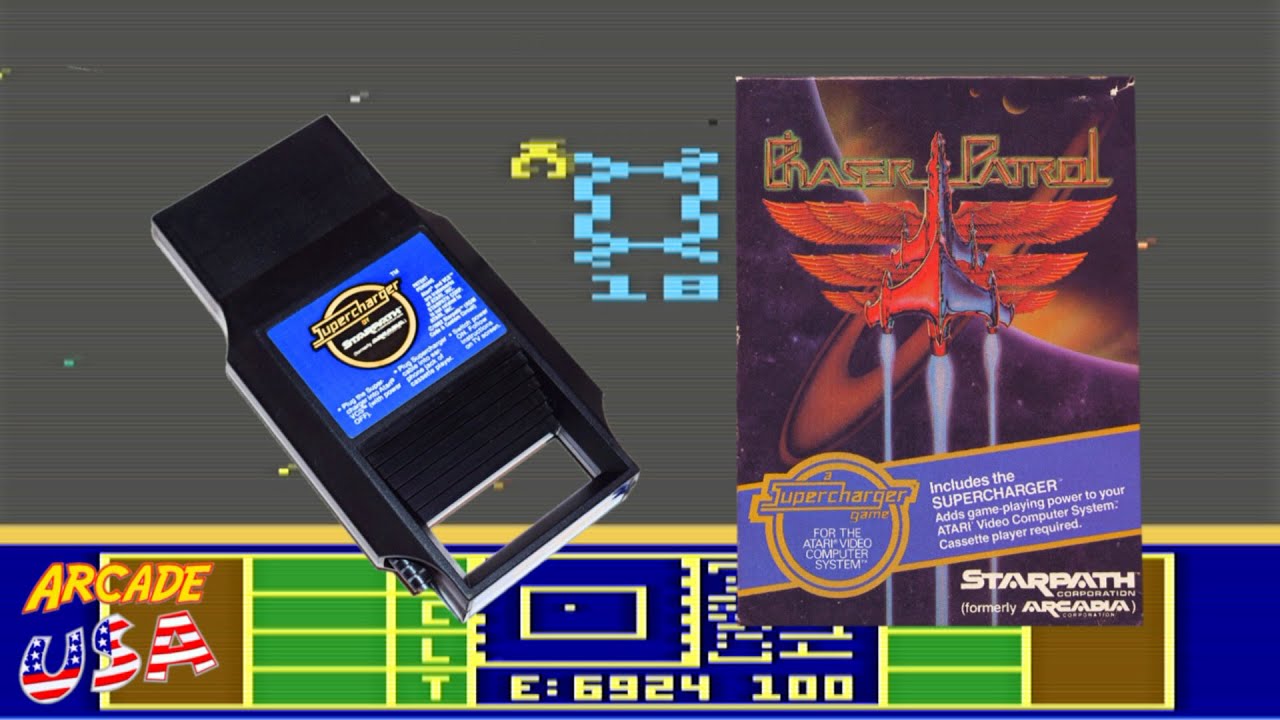
E’ tutta una questione di RAM.
A sua difesa posso dire che un bank switch della rom non è molto diverso da un gioco su più floppy e già con questa l’ho portata a casa
Riguardo alla ram extra, se apri Stella in modalità debug non risulta che il gioco usi 128byte di ram extra, cosa che risulta ad esempio su Dig Dug e con questa scoperta mi pongo nell’olimpo della retroarchelogia videoludica 


Ciò pone l’autore gioco nell’olimpo dell’Alzheimer 
Mi hai fatto riflettere e ho cercato spiegazioni su quest’anomalia ed ecco cosa ho trovato
CPU and RAM
The Atari 2600 uses a variant of the same 6502 chip that we know and love from the Commodore 64, the Apple II, and the NES. The stock 6502 chip can address 64 kilobytes of memory, which can be backed by RAM, ROM, or special memory locations that talk to I/O ports. It’s also got some pins to send external signals: RESET , I nterrupt R eQ uest (or IRQ ) and N on-M askable I nterrupt (or NMI ).
But it’s 1977 here, and pins are really expensive , so Atari went with the cheaper 6507 model. This was, in silicon, identical to the 6502, but it had fewer pins so it basically couldn’t do as much because there was no way to for the chip to communicate or hear everything it was actually capable of.
In particular, the 6507 drops some address pins, so it can only address 8 kilobytes of memory. It also removes the ability to receive IRQ or NMI signals, but since those are usually used for precise timing or I/O information, that’s no great loss.
The 2600 splits up its 8KB address space to give 4KB to the cartridge ROM, and then the other 4KB to the RAM and the I/O registers. 4KB is a bit cramped, but it’s still actually pretty decent. For those of you who followed along with Chokes McGee’s COMPUTE!'s Gazette LP, the only games that cracked 8KB were the extremely text-heavy BASIC games, and even the really sophisticated games like Crossroads 2 were more like 6KB.
Solaris is 16KB. It’s using a special cartridge that has four 4KB ROM chips, and if you try to read from certain locations on the ROM, it will swap which of the four is used. (Obviously, the code that does this has to be replicated across all the ROMs or it will suddenly be reading garbage for code.) This general technique is called bankswitching , and the NES in particular made incredibly heavy use of it. The Atari’s use of the technique was far more modest, but it does at least get us out of the 4KB prison and lets us have significantly larger games.
Where things get a bit nuts is the RAM. While it’s possible to pack extra RAM into a cartridge, this wasn’t generally done and Solaris doesn’t do it. Instead, it is restricted to the Atari 2600’s native RAM, which is a princely 128 bytes . Not kilobytes. Bytes .
This is even crazier than it sounds. The 6502 series chips—and the 6507 is no exception here—kind of assume that you have access to at least 512 bytes of RAM, because the chip itself hardcodes certain capabilities into that region. The first 256 bytes (the “Zero Page”) are faster to access and many addressing modes (the ones that look like array dereferences) only work on addresses in the zero page. Bytes 256-511 are reserved for the CPU’s execution stack. When you call a subroutine in machine code, the return addresses are stored by the CPU in this region, and it counts down from 511. The push/pop instructions also work with this stack.
The 2600’s architecture deals with this by having locations 0-127 be I/O registers, and then it mirrors its 128 bytes of RAM across 128-255, 256-383, and 384-511. So if you push a value onto an empty stack, it looks to the CPU like it gets written to locations 511, 383, and 255 simultaneously.
Atari 2600 programs don’t make heavy use of function calls.
in breve: ha ragione l’autore, hai ragione tu, ricordavo male io che usava 128 bytes AGGIUNTIVI. È che riesce a usare meglio la ram che ha
Mamma quanto l’ho giocato!
Mi hai fatto rivenire in mente Red Alert.
Quanto era (ed è) ganassa l’intro?
Still the best intro in videogaming history
A me piace ancora tanto questo
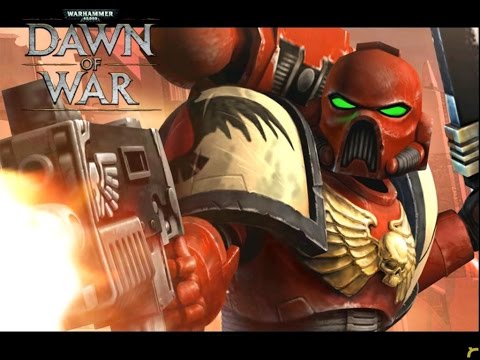
Un gioco che, mi sembra, giocavo in coop con un amico sul C64

Quelle che segue invece è stato per me un gioco nel gioco. Trovai in edicola una rivista con tool per modificare i WAD e mi divertivo a sperimentare su Heretic
Aveva un’atmosfera tutta particolare quel gioco. Gran gioco, sebbene tutti si ricordino solo doom e doom2

A proposito di intro, venivo da un Sanyo 8088 quando sul nuovo fiammante Pentium 133 avviai MechWarrior 2: 31st Century Combat in bundle con Matrox Mystique.
Ancora me lo sogno quel momento 

vogliamo parlare di questo? 2006 (o forse il trailer è del 2005)

regge ancora benissimo, io al tempo rimasi completamente fulminato, è di una qualità pazzesca.
syndicate!!! hexen!!! aaaawwwww
Heretic 
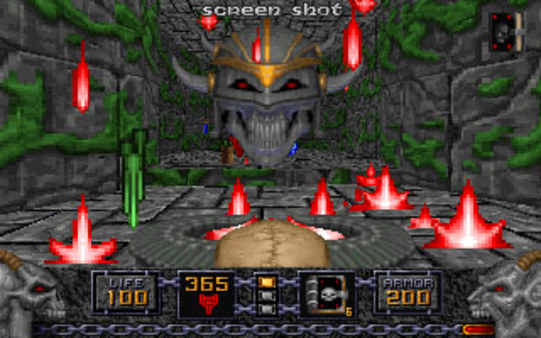
A me i cloni fantasy di doom, sinceramente, non piacquero mai molto. Ai tepi c’era anche Rise of the triad che andava forte, cmq.
Lo sblocco di oggi è…
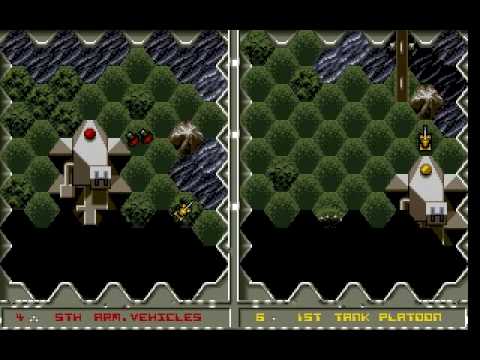
Battle Isle del 1991 di Blue Byte.
Memorabile perché uno dei primi strategici a esagoni che riuscì a fare breccia su un pubblico più grande, grazie alla grafica accattivante e al sistema di combattimento stile carta/sasso/forbici. Il setting sci-fi era un bonus per l’epoca.
Non tutti ricordano la caratteristica che poi venne meno negli episodi successivi: era uno strategico a turni e a asincrono molto peculiare. Sia che giocassi con il pc o contro un avversario umano, lo schermo era diviso in due parti e i giocatori si alternavano nello spostare le unità o ordinare gli attacchi. Insomma si davano i comandi contemporaneamente ma non alternandosi nel ruolo di attaccante e difensore, ma nel ruolo di manovra e attacco.
Il video fa capire meglio cosa dico 